Robert speaks on right to education
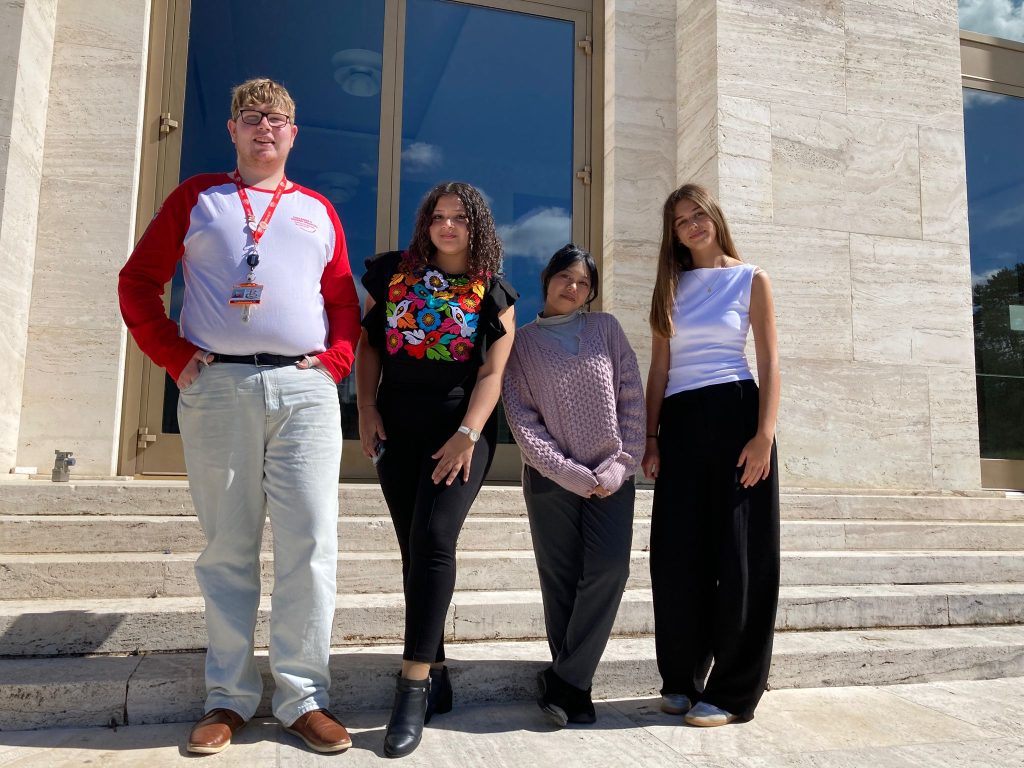
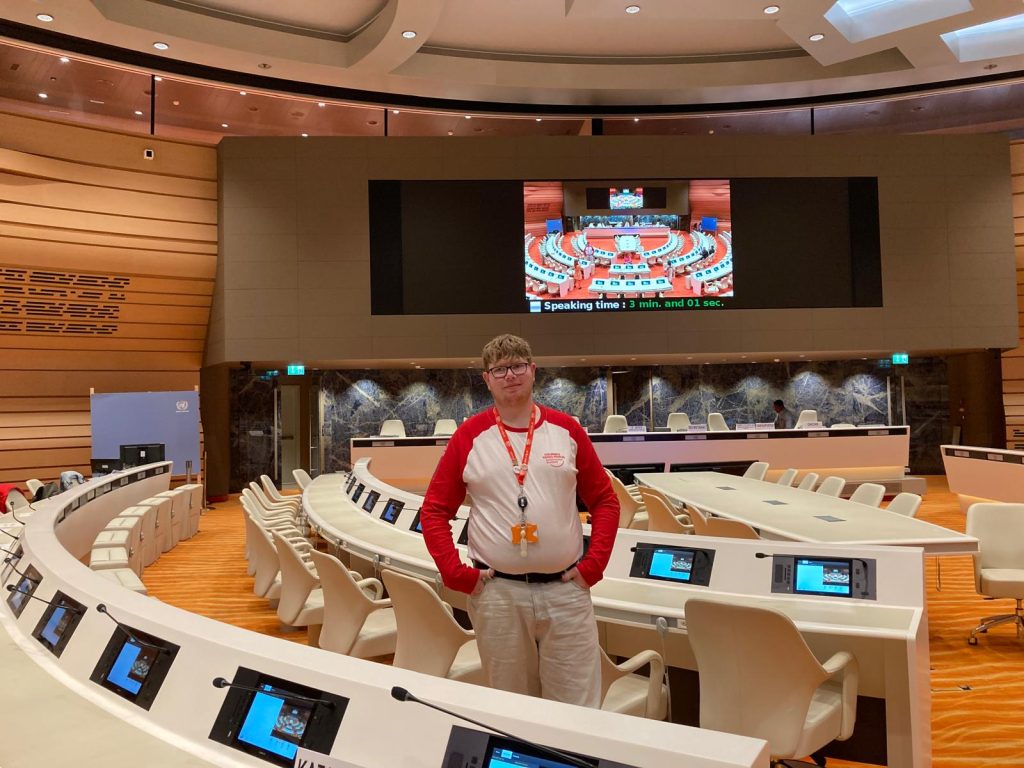
Young Advisor Robert spoke at the United Nations in Geneva about the right to education today.
Robert was one of just five children from around the world to address a working group on an Optional Protocol to the Convention on the Rights of the Child to free pre-primary education, and free secondary education. This is a historic first for the UN Human Rights Council to involve children in the treaty drafting process.

The Commissioner’s office has a unique role in ensuring children’s voices are heard by decision-makers in places of power, and staff from the office supported Robert to take part in the three-day session.
The 17-year-old addressed the group at the Palais des Nations on three occasions. Under the topic “protecting the right to education,” Robert was asked: “Why is access to public education — both pre-primary and secondary — important to you?”
He told delegates: “The UNCRC says that children should have equal opportunities to achieve their potential. Access to public education – both pre-primary and secondary – gives children that chance.
“Education is not just reading, writing and maths but also learning about human rights, about different cultures, and the natural environment. Children should also learn the knowledge and skills they need to live in society. It is important that they get the support need and that any barriers are addressed.”
Later, in the same session, Robert was asked: “In your consultation with other children, have you learned about specific groups of children who face greater difficulties accessing free pre-school and secondary education?”
Robert – who was representing Western Europe at the session – explained that the Young Advisors Group had been working with the Commissioner in Scotland for two years on the right to education, met children from all over Scotland as part of that, and helped shape her in-depth report called “This Is Our Lives, It Matters A Lot”: Putting Children’s Rights At The Heart of Education.
Robert also told the group about a report Who Cares? Scotland did for the Children’s Commissioner, called Exclusion Labelled As Support: Care Experienced Children In Scotland’s Education System. It looked at the barriers they face, and found that some were receiving as little as 30 minutes of education in school a week.
From the report, Robert explained that important information doesn’t always get passed on when a child changes school, which can impact on their learning. He also talked care experienced children being denied their right to education in some cases.
Robert added: “Government statistics say that children with experience of alternative care in Scotland are six times more likely to be excluded or expelled from school.”
In the afternoon session, the topic was the recognition of early childhood care and education as part of the right to education. Robert again spoke about barriers children and families can face, this time focussing on pre-school education.
He said: “Some options won’t be flexible enough for some parents if they work. Some parents may prefer a family member to look after their child.
“Children with disabilities face more barriers to attending pre-school. For example, physical barriers which can include not enough moving space or buildings which are not accessible.
“Another barrier can be a lack of transport, which can be hard for parents who are living in a rural or island area. For children with autism or ADHD, pre-school places with the right support are not always available.”